Ayodhya Tour Package for Senior Citizens: Comfortable Darshan and Travel Guide
Amit Deshwal
14 October 2026

Ready for your Ayodhya Varanasi Yatra?
Let us design the perfect pilgrimage package for you.
Planning a pilgrimage to Ayodhya with elderly parents or senior family members requires a little extra care. Comfortable transport, suitable accommodation, manageable walking distances and sufficient rest breaks can make the journey more enjoyable.
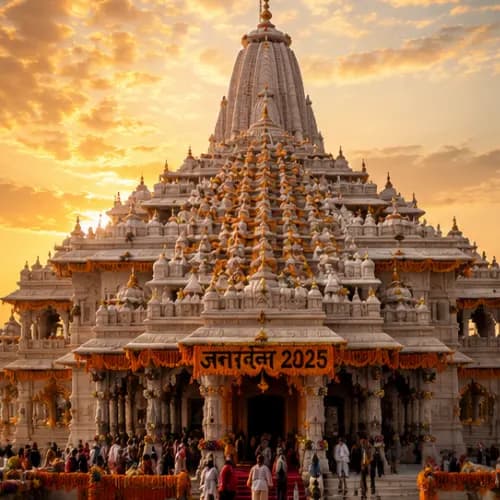
Ayodhya, in Uttar Pradesh, is an important religious destination associated with Lord Rama. Its main attractions include Shri Ram Janmabhoomi Mandir, Hanuman Garhi, Kanak Bhawan and the Saryu Riverfront. With a well-planned itinerary, senior citizens can visit these places without trying to cover everything in a single day.
An Ayodhya tour package for senior citizens can help organise local transport, accommodation and sightseeing according to individual needs. However, accessibility and special assistance arrangements should always be confirmed before booking.
This guide explains how to plan a comfortable Ayodhya trip for elderly pilgrims, which places to visit, how many days to allow and what to consider when choosing a tour package.
Why Choose an Ayodhya Tour Package for Senior Citizens?
Travelling with older family members can involve different requirements from a regular sightseeing trip. Long queues, stairs, crowded roads and extended walking can make a tightly scheduled itinerary tiring.
A senior-friendly tour plan should focus on comfort rather than the number of attractions covered.
Key benefits of suitable travel arrangements include:
Comfortable transport: Reduce unnecessary changes between vehicles and allow enough time for transfers.
Relaxed sightseeing: Schedule fewer attractions each day and include breaks between visits.
Suitable accommodation: Choose a hotel with convenient access, comfortable rooms and facilities that meet the traveller's needs.
Flexible timing: Adjust the schedule according to crowd conditions, energy levels and temple arrangements.
Advance planning: Confirm hotel facilities, transport, walking distances and assistance requirements before departure.
If you are planning a short pilgrimage, explore the 2 Days Ayodhya Tour Package. It can serve as a starting point for creating a more relaxed itinerary.
How Many Days Are Best for Senior Citizens Visiting Ayodhya?
Two days are generally a practical starting point for a senior citizen's Ayodhya trip. This gives visitors time to explore the main religious sites while allowing breaks for meals and rest.
A three-day trip may be more suitable for people who need additional recovery time, are travelling from a distant city or prefer a slower pace.
The ideal duration depends on mobility, travel time, health requirements and personal preferences.
One-Day Ayodhya Trip
A one-day trip may suit visitors who live nearby or have limited time. The itinerary should focus on the most important temple visit and one or two nearby attractions, depending on waiting times.
Consider the 1 Day Ayodhya Tour Package if your schedule is limited. Confirm the walking requirements and expected travel duration before choosing this option.
Two-Day Ayodhya Trip
A two-day itinerary offers more flexibility and is often preferable for elderly travellers.
Day one can include arrival, hotel check-in, a visit to a suitable temple and an evening at the Saryu Riverfront. Day two can prioritise Shri Ram Janmabhoomi Mandir darshan and any remaining attractions.
See the 2 Days Ayodhya Tour Package for a possible starting itinerary.
Three-Day Ayodhya Trip
A three-day visit allows more time for rest, meals and sightseeing. It may be a better option for senior citizens who do not want to rush between temples or who need a slower walking pace.
Explore the 3 Days Ayodhya Tour Package if you would prefer a longer stay.
Suggested Two-Day Ayodhya Itinerary for Senior Citizens
The following itinerary is flexible. Actual temple timings, security procedures, crowds and transport restrictions may change the order of visits.
Day 1: Arrival and Relaxed Temple Visits
Morning: Arrive in Ayodhya and Check In
Arrive by train, road or air, depending on your travel arrangements. Arrange a suitable pickup in advance and confirm how far the vehicle can travel towards your accommodation.
After checking in, allow time to freshen up and rest. Avoid scheduling a major temple visit immediately after a long journey if the traveller is tired.
Choose accommodation with comfortable beds, convenient bathroom access and lifts or ground-floor rooms where needed.
Late Morning: Visit Kanak Bhawan, If Suitable
Kanak Bhawan is an important temple associated with Lord Rama and Goddess Sita. It may be included in the first day's schedule if travel time, current access conditions and the visitor's mobility permit.
Check the latest temple timings and access arrangements before leaving the hotel. Allow extra time for walking and queues.
If the approach or crowd conditions are difficult, postpone the visit rather than making the schedule uncomfortable.
Afternoon: Lunch and Rest
Return to the hotel or choose a suitable restaurant for lunch. Keep the afternoon relatively free so that elderly travellers can recover from the journey.
This rest period can be especially helpful for visitors who need regular medication, meal breaks or additional time between activities.
Evening: Visit the Saryu Riverfront
The Saryu Riverfront and Ram Ki Paidi can provide an opportunity to experience Ayodhya's religious atmosphere.
Choose an accessible route where possible, avoid uneven or crowded areas and keep a safe distance from the water. If you plan to observe an evening ceremony, confirm its current schedule and the availability of suitable seating or access arrangements.
Read our guide to Ram Ki Paidi Ayodhya before planning your visit.
Return to the hotel for dinner and an early night's rest.
Day 2: Shri Ram Janmabhoomi Mandir and Other Attractions
Morning: Shri Ram Janmabhoomi Mandir Darshan
Begin the second day with your planned visit to Shri Ram Janmabhoomi Mandir.
This is a major pilgrimage destination, and visitor numbers may result in queues, security checks and walking. Check current official visitor instructions before travelling to the temple.
Carry only permitted belongings and allow sufficient time for entry procedures. Do not make tight transport bookings immediately after your expected darshan time.
Senior citizens should assess their own walking and standing tolerance when deciding when to visit. Confirm whether any official assistance is available for visitors who require it, rather than assuming that wheelchair support or priority entry will be provided.
For further details, read our Ram Mandir Ayodhya guide.
Late Morning: Visit Hanuman Garhi, If Appropriate
Hanuman Garhi is another well-known religious site in Ayodhya. However, the temple approach includes stairs, which may be challenging for some elderly visitors.
If a traveller has difficulty climbing stairs or maintaining balance, assess the route carefully and consider whether the visit is appropriate. Do not force a visit if the physical demands are unsuitable.
You can find additional information in our guide to Hanuman Garhi in Ayodhya.
Afternoon: Lunch and Departure
After the temple visits, take a meal break and allow time to return to the hotel, collect luggage and reach the departure point.
If the traveller is tired, skip additional sightseeing rather than rushing. The purpose of a senior-friendly pilgrimage is to provide a comfortable experience, not to visit the maximum number of places.
Important Places to Visit in Ayodhya for Senior Citizens
Shri Ram Janmabhoomi Mandir
Shri Ram Janmabhoomi Mandir is the main attraction for many pilgrims visiting Ayodhya. Because security procedures and visitor arrangements can change, check the latest official information before planning your visit.
Allow enough time for the journey, entry checks and queues. Ask about current assistance arrangements if a family member has mobility limitations.
Kanak Bhawan
Kanak Bhawan is associated with Lord Rama and Goddess Sita. It may be a suitable addition to the itinerary if the approach, walking distance and current crowd conditions are manageable.
Plan the visit around rest breaks rather than attempting to cover multiple temples without a pause.
Hanuman Garhi
Hanuman Garhi is an important religious site, but its stairs may be difficult for some senior citizens. Check the access route in advance and include this stop only if it is suitable for the traveller.
Ram Ki Paidi and the Saryu Riverfront
The riverfront offers a different experience from visiting temple interiors. Senior citizens may enjoy spending some time in the area, provided walking routes, seating and crowd conditions are suitable.
Stay away from slippery steps and unsafe water edges. Follow local safety instructions, particularly during rain or periods of high water.
For a broader list of attractions and timings, see our guide to Ayodhya temples, timings and locations.
Accommodation Tips for Elderly Pilgrims
Selecting the right hotel can make a substantial difference to the comfort of a senior citizen's trip.
Choose a Convenient Location
A hotel within a practical travelling distance of the planned attractions can reduce time spent in vehicles. However, advertised proximity does not always mean that vehicles can reach a temple entrance.
Confirm the actual route, local traffic restrictions and walking distance from the nearest permitted drop-off point.
Check Accessibility Facilities
Before booking, ask the hotel about:
Lift availability or ground-floor rooms.
Bathroom grab rails or other accessibility features, if needed.
Comfortable beds and reliable water supply.
Restaurant or meal arrangements.
Assistance with luggage.
Vehicle access and parking.
Do not rely only on photographs or general descriptions. Confirm the specific facilities required by the traveller.
Book in Advance
Accommodation can become harder to find during festivals and busy pilgrimage periods. Advance booking gives you more time to compare room facilities, prices and cancellation conditions.
Transport Options for Senior Citizens Visiting Ayodhya
Transport should be planned according to comfort, journey duration and mobility.
Train Travel
Train travel may be suitable for visitors coming from other cities. Book an appropriate travel class, check the arrival station and arrange onward transport before departure.
If assistance is needed at the station, enquire about the current availability and booking process through the relevant railway service.
Our guide on how to reach Ayodhya by train can help you prepare your journey.
Private Taxi
A private taxi can offer flexibility for travel between the hotel and sightseeing locations. It may be particularly helpful for families who need to make frequent stops or adjust the schedule.
Confirm the vehicle type, seating arrangements, luggage capacity and total charges in advance. Remember that a private vehicle may not be allowed close to every temple entrance.
Local Transport
Auto-rickshaws and other local transport options may be useful for shorter journeys. Check the fare before travelling and consider whether the vehicle is comfortable and suitable for the passenger.
Where possible, avoid frequent vehicle changes and unnecessarily long walking transfers.
Is Wheelchair Assistance Available in Ayodhya?
Wheelchair and accessibility arrangements may differ between temples, hotels, railway stations and other attractions. Availability can also depend on current rules and visitor demand.
Before travelling, contact the relevant official authority or service provider to confirm:
Whether wheelchair assistance is available.
Whether advance arrangements are required.
How much walking is involved after the drop-off point.
Whether ramps, lifts or accessible toilets are available.
Whether the accompanying family member can remain with the traveller during the visit.
Do not assume that wheelchair assistance automatically includes shorter queues, special entry or access to restricted areas. These are separate arrangements and depend on official policies.
If mobility is significantly limited, plan the itinerary around locations with confirmed access facilities.
What Should Senior Citizens Carry for an Ayodhya Trip?
A small amount of preparation can make travel easier.
Essential items include:
Government-issued identification and travel documents.
Prescribed medicines in their original packaging.
Medical information and emergency contact details.
Comfortable, supportive footwear.
Weather-appropriate clothing.
A phone and necessary charging accessories.
Water and permitted personal essentials.
Hotel booking and transport details.
Travellers with ongoing health conditions or mobility limitations may wish to consult their healthcare professional before a long journey. Keep the itinerary realistic and allow time for meals, medication and rest.
Best Time to Visit Ayodhya for Senior Citizens
October to March is often preferred for sightseeing because temperatures are generally cooler than during the peak summer months. However, winter mornings and evenings can be cold, so carry suitable clothing.
Summer visits may require additional care because of high temperatures and prolonged outdoor waiting. Plan around the weather and take regular breaks.
Monsoon travel may involve rain, slippery walking surfaces and changes to outdoor activities. Check local weather information before visiting the riverfront.
Major festivals can attract large crowds and affect hotel prices, transport and temple access. If comfort is the priority, consider travelling on less crowded dates when possible.
How Much Does an Ayodhya Tour Package for Senior Citizens Cost?
The price depends on the departure city, number of days, hotel category, vehicle type and assistance required.
When requesting a quotation, ask for a clear breakdown of:
Return travel or local pickup and drop-off.
Accommodation and room arrangements.
Meals, if included.
Local sightseeing transport.
Guide services, if included.
Accessibility arrangements and additional charges.
Taxes, parking and other exclusions.
Regular Ram Mandir darshan is generally free, but transport, accommodation, meals and personal purchases add to the overall budget. Verify current official arrangements for any special darshan or aarti facility, and do not assume it is included in a package.
Compare the 1 Day Ayodhya Tour Package, 2 Days Ayodhya Tour Package and 3 Days Ayodhya Tour Package according to your family's needs.
Why Consider a Customised Senior Citizen Tour?
A standard itinerary may not suit every elderly traveller. Some people can comfortably visit several temples in a day, while others may need shorter visits, fewer stairs and longer rest periods.
A customised itinerary can take account of:
Walking ability and preferred pace.
Hotel accessibility requirements.
Transport and pickup arrangements.
Meal preferences and rest breaks.
Number of temples to visit.
Arrival and departure times.
Discuss these needs before booking so that the proposed schedule can be assessed realistically.
You can review the available Ayodhya Tour Packages or enquire about Ayodhya Guide Services for help with local sightseeing arrangements.
Plan Your Yatra With Ayodhya Varanasi Guides
A pilgrimage to Ayodhya can be a meaningful experience for senior citizens when travel arrangements are planned around comfort and individual requirements. Choose a suitable hotel, confirm transport and accessibility details, allow time for darshan and avoid trying to visit too many attractions in one day.
For elderly parents or relatives, a two-day itinerary can provide a reasonable balance between temple visits and rest. A longer stay may be preferable if the journey is lengthy or mobility is limited.
Plan Your Yatra With Ayodhya Varanasi Guides
Contact us to enquire about airport pickup, local transportation, temple sightseeing and customised Ayodhya tour packages.
Phone: +91 90584 30503
Website: https://ayodhyavaranasiguide.com
Before confirming your trip, share your travel dates, number of travellers, accommodation preferences and any mobility requirements. This will help you evaluate the most suitable arrangements for a comfortable Ayodhya pilgrimage.